
Introduction
The world is rapidly changing because of future technology. New inventions and digital systems are improving how people live, work, and communicate. From smart devices to automated machines, technology is becoming a major part of everyday life. Understanding these developments helps individuals prepare for upcoming opportunities and challenges.
Many industries now depend on innovation to grow and compete globally. Businesses use advanced systems to increase efficiency and reduce manual work. The growth of future technology is helping companies improve productivity while offering better services to customers. This transformation is also creating new career paths for students and professionals.
Learning about upcoming innovations is important for beginners and intermediate learners. Technology is no longer limited to technical experts. Anyone can benefit from understanding how future technology works and how it influences daily activities. By staying informed, individuals can adapt to modern systems and improve their personal and professional lives.
What is Future Technology?
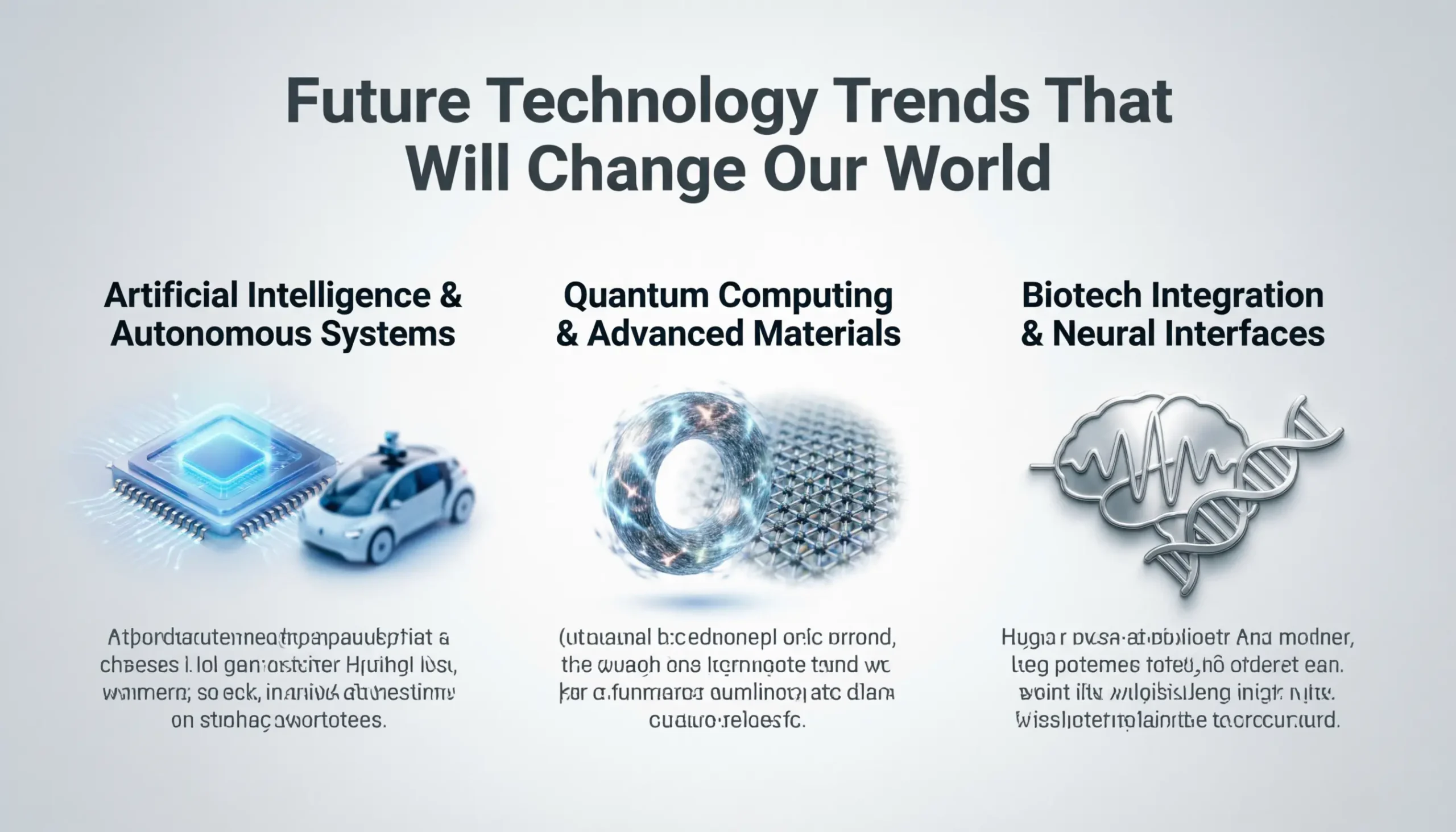
Future technology refers to advanced tools and systems that are currently being developed or improved. These innovations aim to solve global problems, improve efficiency, and create better living conditions. Examples include artificial intelligence, robotics, virtual reality, and renewable energy solutions.
Scientists and researchers constantly work on improving digital systems. The purpose of future technology is to simplify complex tasks and provide smarter solutions. For example, automated machines can perform repetitive tasks faster and more accurately than manual labor.
Technology is also focusing on environmental sustainability. Renewable energy sources such as solar and wind power reduce pollution and conserve natural resources. These developments show how modern innovations are shaping a safer and more efficient world.
Why is Future Technology Important?
Future technology plays a crucial role in economic growth and social development. It helps businesses operate more efficiently by reducing errors and saving time. Companies that adopt advanced systems often achieve better results and stay competitive in global markets.
Another important advantage of future technology is its impact on healthcare. Modern medical tools allow doctors to diagnose diseases earlier and provide accurate treatment. Digital health monitoring devices help patients track their health conditions and receive quick medical support.
Education systems also benefit from technological innovation. Online learning platforms and virtual classrooms allow students to study from anywhere. These advancements improve accessibility and learning quality for students worldwide.
Detailed Step-by-Step Guide
Step 1: Understand Basic Digital Skills
Learning begins with understanding computer systems, software, and internet functions. Basic digital knowledge helps individuals understand how future technology connects different tools and systems together. Beginners can start by learning simple computer operations and online communication tools.
Step 2: Explore Emerging Technology Fields
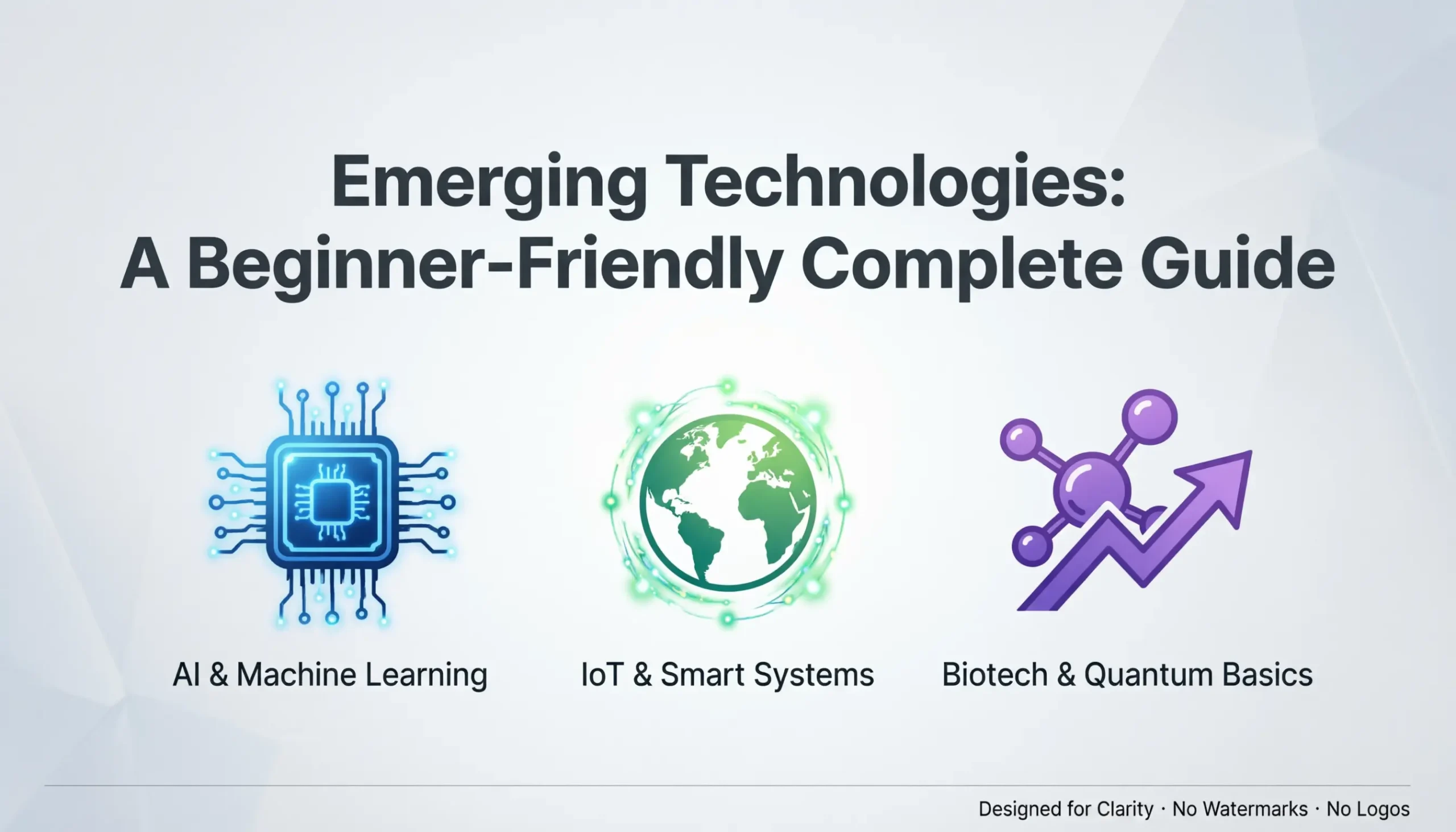
After building basic knowledge, learners should explore advanced technology areas such as artificial intelligence, robotics, and blockchain. Each field contributes to the growth of future technology and offers various career opportunities. Reading educational materials and watching tutorials helps improve understanding.
Step 3: Practice with Technology Tools
Practical learning is essential for mastering digital systems. Individuals should experiment with software programs and simulation platforms related to future technology. Hands-on experience improves confidence and helps learners apply theoretical knowledge effectively.
Step 4: Develop Professional Skills
Technical and analytical skills are important for adapting to modern industries. Learning programming languages, data analysis, and system management strengthens knowledge related to future technology. Online courses and certification programs provide structured learning paths.
Step 5: Stay Updated with Industry Trends
Technology changes quickly, so continuous learning is necessary. Following industry news, attending workshops, and joining professional communities help individuals stay informed about future technology developments and opportunities.
Benefits of Future Technology
- Improves efficiency and productivity in industries
- Enhances healthcare diagnosis and treatment systems
- Supports global communication and digital connectivity
- Encourages renewable energy and environmental protection
- Creates new employment opportunities and career paths
- Improves education through digital learning platforms
- Strengthens security through advanced monitoring systems
- Promotes business innovation and economic development
The advantages of future technology continue to improve the quality of life by making services faster, smarter, and more reliable.
Disadvantages / Risks
- High cost of development and implementation
- Risk of job loss due to automation
- Privacy concerns related to digital data
- Dependence on internet and digital systems
- Cybersecurity threats and online fraud
- Technical failures that can disrupt operations
- Ethical concerns related to automated decision systems
- Unequal access to advanced tools in some regions
Understanding the risks of future technology helps individuals and organizations use innovation responsibly and safely.
Common Mistakes to Avoid
One common mistake is ignoring basic digital learning before exploring advanced systems. Without strong foundational knowledge, understanding complex tools becomes difficult. Beginners should learn step-by-step concepts before studying advanced innovations.
Another mistake is focusing only on theory without practical application. Hands-on learning helps individuals understand real-world uses of technology. Practicing with digital tools improves confidence and learning speed.
Some learners also fail to stay updated with industry changes. Technology evolves rapidly, and outdated information reduces learning effectiveness. Staying informed about future technology trends helps individuals remain competitive and knowledgeable.
FAQs
1. How will technology affect future jobs?
Technology may replace repetitive manual tasks but will create new opportunities in digital industries. Many companies require skilled professionals to manage advanced systems. Learning future technology skills helps individuals prepare for evolving job markets.
2. Can beginners learn advanced technology easily?
Yes, beginners can learn technology by starting with basic computer skills and gradually learning advanced concepts. Online courses and tutorials provide step-by-step guidance for easy learning.
3. Which industries benefit the most from new technology?
Healthcare, education, finance, transportation, and manufacturing industries benefit greatly from technological advancements. These industries use digital tools to improve services and productivity.
4. Is technology safe for society?
Technology is generally safe when used responsibly. Governments and organizations develop security policies to protect users from cyber threats and privacy risks.
5. How does technology improve education?
Digital platforms allow students to access educational resources from anywhere. Virtual classrooms, online tutorials, and interactive learning tools improve education quality.
6. Why should students learn modern technology skills?
Students who learn digital and technical skills gain better career opportunities. Technology knowledge helps individuals adapt to changing workplace environments and professional demands.
Expert Tips & Bonus Points
Experts recommend focusing on continuous learning rather than short-term trends. Technology evolves rapidly, so building strong technical foundations helps individuals adapt to new systems easily. Regular practice and skill development improve confidence and professional growth.
Networking with technology professionals is another effective strategy. Attending seminars and workshops allows learners to exchange ideas and learn about industry developments. These activities help individuals understand new innovations and career opportunities.
Experts also suggest combining theoretical knowledge with practical learning. Reading books, watching tutorials, and participating in real projects provide complete understanding of modern digital systems. Developing problem-solving skills also helps individuals succeed in technology-driven environments.
Time management is important for learning technical subjects. Creating a study schedule and setting achievable goals helps learners stay focused and motivated. Staying curious and exploring new digital tools encourages innovation and creativity.
Conclusion
The world is entering a new era driven by technological advancement. Future technology is transforming industries, improving communication, and creating better living standards. These innovations help businesses operate efficiently while improving healthcare, education, and environmental protection.
Understanding technology is essential for beginners and intermediate learners who want to grow in modern society. Learning basic digital skills, exploring advanced innovations, and practicing practical applications help individuals succeed in technology-based environments. Continuous learning ensures long-term career growth and professional stability.
Although technology offers many advantages, it also presents challenges such as cybersecurity risks and job market changes. Responsible usage, ethical decision-making, and proper training help reduce these risks. Organizations and individuals must work together to ensure technology benefits society positively.
The future holds endless possibilities for innovation and development. People who remain open to learning and adapting to change will benefit the most from technological progress. By understanding modern systems and improving technical skills, individuals can prepare for a world shaped by continuous innovation and digital transformation.