
Introduction
Emerging technologies are changing the way people live, work, and communicate. From smart devices to automation tools, these innovations are shaping modern society. Many industries now rely on emerging technologies to improve efficiency, reduce costs, and create better user experiences. Understanding these changes helps individuals stay updated and prepared for the future.
Today, emerging technologies are not limited to large organizations. Small businesses, students, and professionals can also benefit from them. Learning about these technologies allows people to improve their skills and explore new career opportunities. It also helps businesses stay competitive in the digital world.
The rapid growth of emerging technologies is creating new possibilities every day. For example, artificial intelligence helps automate tasks, while blockchain improves security and transparency. These developments are changing traditional systems and introducing smarter solutions. People who understand can adapt faster and make better decisions.
In this article, you will learn everything about emerging technologies in simple and clear language. You will understand their importance, benefits, and potential risks. This guide also includes practical tips, common mistakes, and frequently asked questions. By the end, you will have a strong understanding of emerging technologies and how they impact daily life and future opportunities.
What is Emerging Technologies?
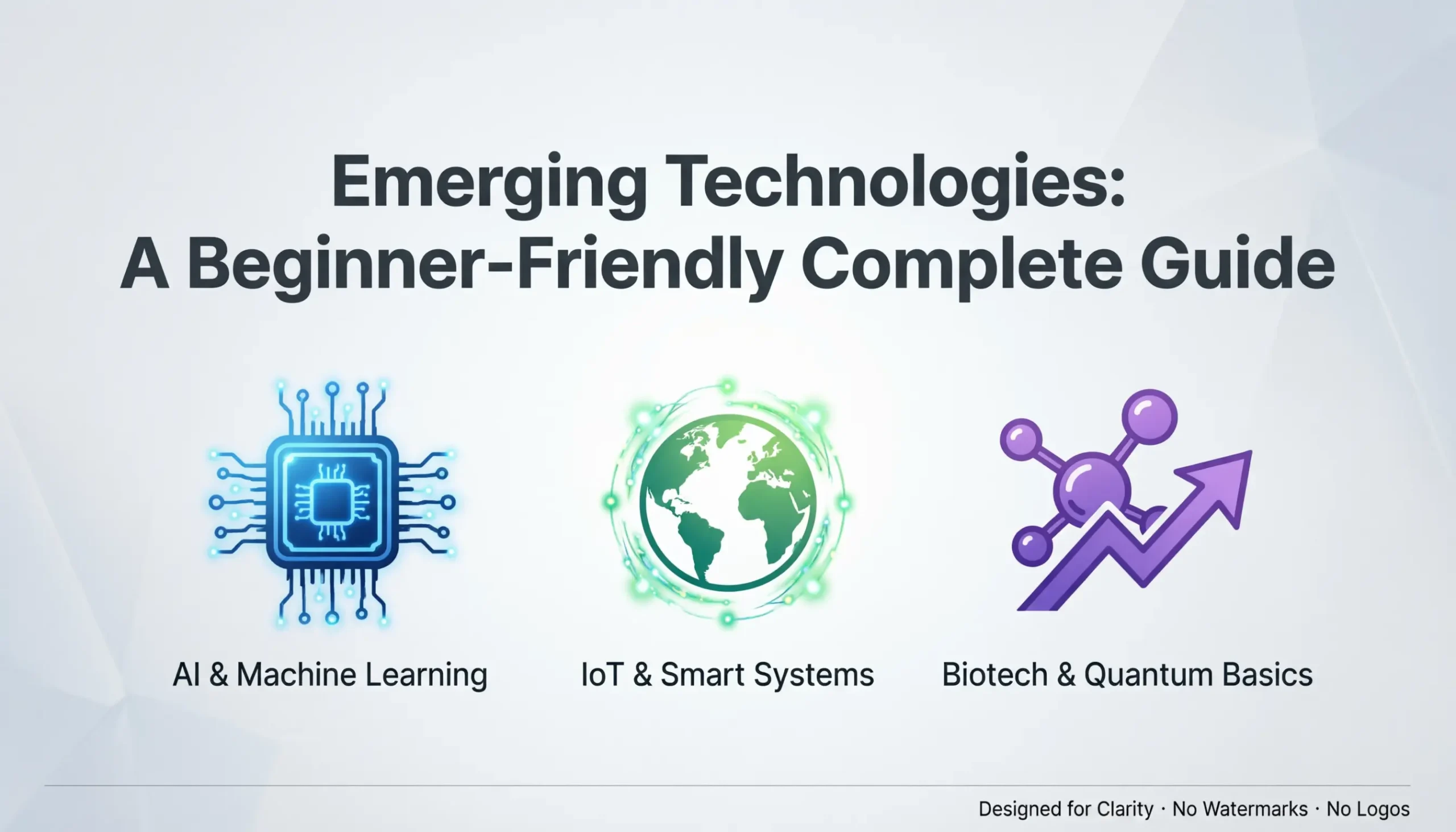
Emerging technologies refer to new and developing tools, systems, or innovations that are expected to significantly impact industries and society. These technologies are still evolving but show strong potential to transform how people work and live. Examples include artificial intelligence, robotics, blockchain, virtual reality, and the Internet of Things.
Emerging technologies are usually created to solve modern challenges and improve productivity. They introduce smarter methods for handling tasks and managing data. Many organizations invest in emerging technologies to stay competitive and provide better services to customers.
Another important aspect of emerging technologies is their ability to change traditional industries. For instance, automation is transforming manufacturing by increasing production speed and reducing human errors. Similarly, digital healthcare solutions are improving patient monitoring and medical research.
Emerging technologies often require new skills and knowledge. People who learn about them early can gain career advantages and adapt to technological changes more easily. As these innovations continue to develop, they will influence education, business, communication, and entertainment sectors worldwide.
Why is Emerging Technologies Important?
Emerging technologies play a major role in improving efficiency and productivity across different industries. Businesses use them to automate tasks, reduce operational costs, and improve service quality. This allows organizations to focus more on innovation and growth.
Another reason emerging technologies are important is their ability to improve communication and connectivity. Tools like cloud computing and smart devices help people collaborate from different locations. This supports remote work and global business operations.
Emerging technologies also help solve complex problems. For example, data analytics can predict market trends, while smart agriculture technologies improve crop production. These solutions help industries make better decisions and improve overall performance.
Education and learning are also influenced by emerging technologies. Online learning platforms and virtual classrooms make education more accessible. Students can learn new skills from anywhere, which supports lifelong learning and professional development.
Furthermore, emerging technologies support economic growth and job creation. While some traditional jobs may change, new opportunities are created in technology development, digital marketing, and cybersecurity. This encourages individuals to learn new skills and adapt to the modern workforce.
Detailed Step-by-Step Guide
Step 1: Understand the Basics
Start by learning the basic concepts of emerging technologies. Research common technologies such as artificial intelligence, machine learning, blockchain, and virtual reality. Understanding their purpose and functionality creates a strong foundation.
Reading beginner guides and watching educational videos can help you learn quickly. Focus on understanding how emerging technologies solve real-world problems. This knowledge helps you connect theory with practical applications.
Step 2: Identify Practical Applications
After learning the basics, explore how emerging technologies are used in different industries. For example, healthcare uses artificial intelligence for medical diagnosis, while retail businesses use data analytics to understand customer behavior.
Identifying practical uses helps you understand the real value of emerging technologies. It also helps you decide which technology field interests you the most. This step is important for both students and professionals.
Step 3: Learn Relevant Skills
Learning technical and digital skills is necessary for understanding emerging technologies. Skills such as coding, data analysis, and digital marketing are highly valuable. These skills increase career opportunities and improve professional growth.
Online courses and training programs can help you develop these skills. Many platforms provide beginner-friendly lessons. Practicing regularly helps you understand concepts more effectively.
Step 4: Follow Industry Trends
Technology changes quickly, so staying updated is essential. Follow technology news, attend webinars, and read industry blogs. These sources provide information about new developments and innovations.
Following industry trends helps you understand future opportunities. It also prepares you for technological changes in your field. Staying updated ensures long-term career and business growth.
Step 5: Apply Knowledge Practically
Applying knowledge through projects or experiments improves understanding. Try using simple tools or software related to emerging technologies. Practical experience increases confidence and skill development.
Working on real projects also helps build a professional portfolio. This is useful for job applications and career advancement. Hands-on practice makes learning more effective and engaging.
Benefits of Emerging Technologies
- Improve efficiency and productivity in various industries
- Provide better communication and collaboration tools
- Create new career and business opportunities
- Enhance data security and transparency
- Support automation and reduce human errors
- Improve healthcare, education, and transportation systems
- Encourage innovation and technological advancement
- Help organizations analyze and manage large data sets
Disadvantages / Risks
- High implementation and maintenance costs
- Risk of data privacy and cybersecurity threats
- Rapid changes may cause job skill gaps
- Overdependence on technology can reduce human involvement
- Technical complexity may require specialized training
- System failures can disrupt business operations
- Ethical concerns related to automation and artificial intelligence
Common Mistakes to Avoid
One common mistake is ignoring the importance of learning basic concepts. Many people try to use advanced tools without understanding how emerging technologies work. This can create confusion and reduce effectiveness.
Another mistake is avoiding skill development. Emerging technologies require continuous learning and practice. People who stop learning may struggle to adapt to technological changes.
Relying completely on automation is also risky. While emerging technologies improve efficiency, human supervision remains important. Monitoring systems ensures accuracy and prevents errors.
Ignoring security measures is another serious mistake. Many technologies involve data storage and sharing. Using weak security practices can lead to data breaches and financial losses.
Some individuals follow trends without understanding their practical value. Choosing technologies based only on popularity may not provide long-term benefits. It is better to evaluate usefulness and relevance before adopting new tools.
FAQs
What are examples of emerging technologies?
Examples include artificial intelligence, blockchain, robotics, virtual reality, and the Internet of Things. These technologies are transforming industries and improving digital systems.
Are emerging technologies difficult to learn?
Emerging technologies can seem complex, but beginner-friendly resources make learning easier. Starting with basic concepts and practicing regularly helps build understanding.
How do emerging technologies impact jobs?
They create new job opportunities while changing traditional roles. People who learn digital and technical skills can benefit from these changes.
Can small businesses use emerging technologies?
Yes, small businesses can use emerging technologies to improve marketing, customer service, and data management. Many affordable tools are available for small organizations.
Why should students learn emerging technologies?
Students who learn emerging technologies gain valuable skills for future careers. These skills increase job opportunities and help them adapt to modern workplaces.
Are emerging technologies safe to use?
They are generally safe if proper security measures are followed. Organizations should use strong cybersecurity practices to protect data and systems.
Expert Tips & Bonus Points
Start learning emerging technologies gradually instead of rushing into advanced topics. Understanding fundamentals builds confidence and supports long-term learning. Beginners should focus on one technology area before exploring others.
Networking with professionals helps improve knowledge and career opportunities. Joining technology communities allows individuals to learn from experts and share experiences. Collaboration supports skill development and industry awareness.
Time management is important when learning emerging technologies. Setting realistic learning goals helps maintain consistency. Regular practice improves understanding and technical expertise.
Using trusted tools and platforms is also essential. Reliable resources provide accurate information and reduce learning confusion. Always verify information before applying new technologies.
Experimenting with projects is one of the best ways to learn emerging technologies. Practical experience helps identify strengths and weaknesses. It also builds problem-solving skills and creativity.
Keeping an open mindset supports continuous learning. Technology evolves rapidly, and flexibility helps individuals adapt easily. Staying curious and motivated encourages long-term success in the technology field.
Conclusion
Emerging technologies are transforming modern life by improving communication, productivity, and innovation. They are influencing industries such as healthcare, education, business, and entertainment. Understanding emerging technologies helps individuals and organizations stay prepared for future challenges and opportunities.
These technologies provide many benefits, including automation, improved efficiency, and new career possibilities. However, they also involve certain risks such as cybersecurity threats and skill gaps. Learning about these challenges helps people use emerging technologies responsibly and effectively.
Continuous learning is essential for understanding emerging technologies. Individuals should focus on developing digital skills, following industry trends, and gaining practical experience. These steps help build confidence and professional growth in the digital era.
Businesses and professionals who adopt emerging technologies can improve performance and remain competitive. Students and learners can also benefit by gaining valuable knowledge and career advantages. The future will continue to be shaped by innovation, making technological awareness more important than ever.
By staying informed and adaptable, individuals can take full advantage of emerging technologies. Learning, practicing, and applying knowledge ensures long-term success. As technology continues to evolve, those who understand emerging technologies will be better prepared to achieve personal and professional growth.