
Introduction
Modern businesses and individuals rely heavily on software solutions to simplify daily operations and increase productivity. From managing finances to handling communication, technology has changed how work gets done. Whether someone runs a small business or works in a corporate environment, using the right tools can make tasks faster and more organized. Understanding how digital systems operate helps users stay competitive in today’s fast-moving world.
Many beginners feel confused when choosing software solutions because there are thousands of options available. Some programs focus on business management, while others support creative work or customer service. Learning how these tools function and selecting the right one can save time, reduce errors, and improve overall performance. With proper planning, users can benefit from automation and better data management.
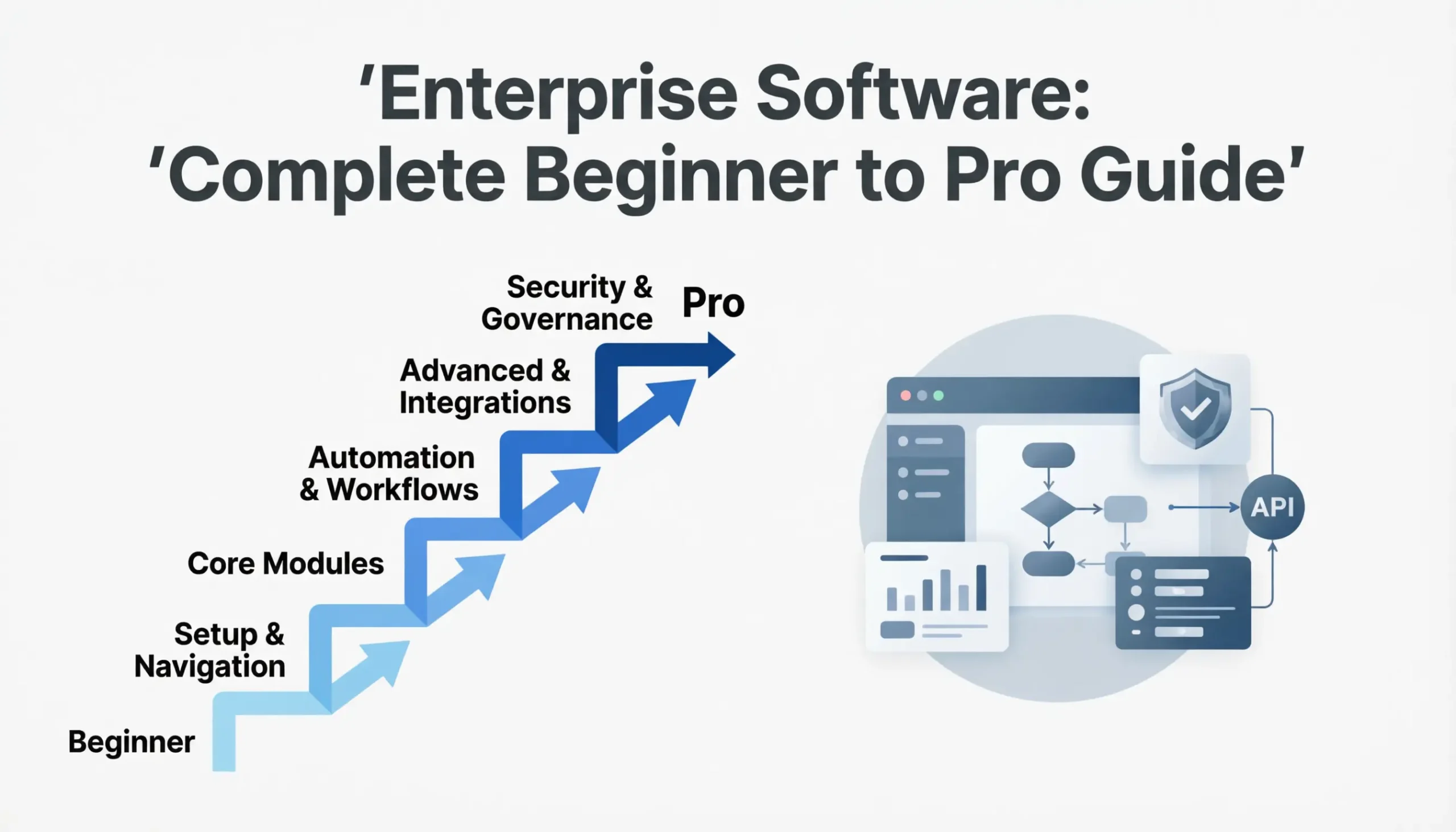
This guide explains everything readers need to know about software solutions, including their importance, advantages, risks, and practical usage steps. The information is written in simple English to help both beginners and intermediate users understand the topic clearly. By the end of this article, readers will feel confident in choosing and using software tools that match their needs and goals.
What is Software Solutions?
Software solutions refer to computer programs or digital systems designed to solve specific problems or perform particular tasks. These tools help individuals and organizations complete work efficiently without relying on manual processes. They can include mobile applications, desktop software, or cloud-based platforms.
Most businesses use software solutions to handle activities like accounting, communication, project management, customer support, and data storage. For example, accounting programs help track expenses and profits, while communication platforms allow teams to collaborate in real time. These tools are designed to increase accuracy and reduce workload.
There are different types of software available based on user requirements. Some focus on automation, while others support analysis or data management. Selecting the right system depends on business size, budget, and technical knowledge. When used correctly, these tools can improve workflow and help users focus on important tasks instead of repetitive work.
Why is Software Solutions Important?

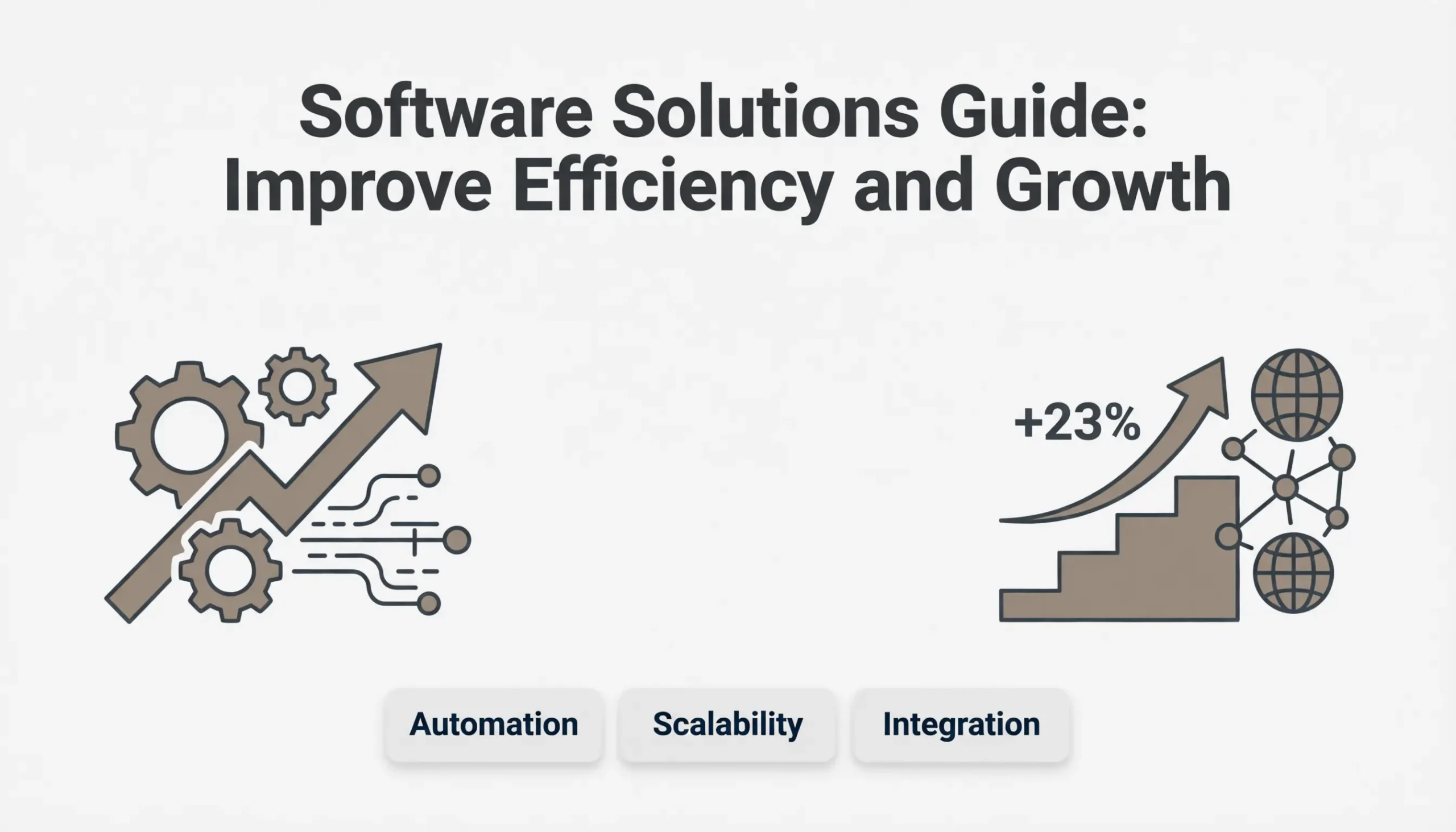
Technology plays a major role in modern business growth. Software solutions help companies operate faster and more efficiently. Instead of performing tasks manually, businesses can automate operations such as billing, reporting, and customer communication. This not only saves time but also reduces human errors.
Another important benefit is improved organization. Businesses often deal with large amounts of data, and managing it manually can create confusion. Software solutions provide structured systems that store and analyze data quickly. This allows companies to make better decisions based on accurate information.
These tools also support teamwork and remote work environments. Employees can communicate, share files, and track progress from different locations. As a result, businesses become more flexible and productive. Using reliable technology helps organizations stay competitive and meet customer expectations effectively.
Detailed Step-by-Step Guide
Step 1: Identify Your Needs
The first step in selecting software solutions is understanding your goals. Users should analyze their daily tasks and identify problems they want to solve. For example, a business might need software for accounting, communication, or customer management.
Writing down requirements helps narrow down choices. This ensures users select tools that provide useful features instead of unnecessary ones. Understanding your workflow also helps in choosing software that fits your operations smoothly.
Step 2: Research Available Options
After identifying needs, users should explore different tools available in the market. Reading product descriptions, user reviews, and feature lists helps in comparing different systems. Many platforms offer free trials, which allow users to test functionality before purchasing.
Research helps users understand pricing, compatibility, and ease of use. Choosing reliable and well-reviewed platforms increases the chances of long-term success. It also prevents wasting money on ineffective tools.
Step 3: Check Compatibility
Before selecting a tool, users must ensure it works with their devices and existing systems. Compatibility is important because some software may not integrate well with other tools already in use.
Users should also check whether the software supports mobile devices or cloud storage. This improves accessibility and allows teams to work from different locations. Compatibility ensures smooth performance and avoids technical difficulties later.
Step 4: Test and Evaluate
Testing software before final selection helps users understand its usability. During testing, users should explore all features and evaluate performance speed, interface design, and overall efficiency.
Users should also involve team members in testing because they will be using the software regularly. Collecting feedback helps identify potential issues and improves decision-making. Proper evaluation reduces risks and ensures better results.
Step 5: Implementation and Training
After selecting software, users should focus on proper installation and setup. Training employees or team members ensures they understand how to use the system correctly. This step is essential because improper usage can reduce productivity.
Many software providers offer tutorials and customer support services. Taking advantage of these resources helps users learn faster and avoid mistakes. Training increases confidence and encourages efficient usage.
Step 6: Monitor Performance
Once implemented, users should monitor software performance regularly. Tracking results helps identify whether the tool is improving efficiency and meeting expectations.
Users should also update software when new versions are released. Updates often include improved security features and additional functions. Monitoring and updating maintain system performance and long-term reliability.
Benefits of Software Solutions
- Improves productivity by automating repetitive tasks
- Reduces human errors and increases accuracy
- Saves time and operational costs
- Enhances communication and collaboration
- Provides better data management and analysis
- Supports remote working and flexibility
- Improves customer service and response time
- Helps businesses scale and grow faster
Disadvantages / Risks
- High initial cost for advanced tools
- Requires training and technical knowledge
- Risk of data security and privacy concerns
- Dependence on internet or technology
- Possible system failures or software bugs
- Compatibility issues with older systems
- Regular maintenance and updates required
Common Mistakes to Avoid
Many users choose software without understanding their requirements. This often leads to selecting tools with unnecessary features. Users should always analyze their workflow before making decisions.
Another common mistake is ignoring user training. Even the best software cannot deliver results if users do not understand how to operate it properly. Providing training improves performance and reduces confusion.
Some businesses also ignore security features while choosing tools. Protecting sensitive data should always be a priority. Selecting software with strong security systems helps prevent data loss or cyber threats.
Users sometimes avoid testing software before purchasing. Skipping trials increases the risk of choosing ineffective tools. Testing ensures the software meets expectations and supports business operations efficiently.
FAQs
What are software solutions used for?
Software solutions help individuals and businesses automate tasks, manage data, and improve workflow. They are used in areas like accounting, communication, and project management.
Are software solutions expensive?
Costs vary depending on features and complexity. Some tools are free, while others require monthly or yearly subscriptions. Users should select software based on their budget and requirements.
Can beginners use software solutions easily?
Yes, many tools are designed with simple interfaces. Providers also offer tutorials and support services to help beginners learn quickly.
How do I choose the best software?
Users should analyze their needs, research options, test features, and compare pricing before selecting software. Choosing reliable providers ensures better performance.
Are software solutions safe to use?
Most platforms include security features, but users must follow safety practices like using strong passwords and updating software regularly to maintain protection.
Do software solutions require internet access?
Some tools work offline, but many modern systems use cloud technology. Internet access allows users to access data from multiple devices and locations.
Expert Tips & Bonus Points
Experts recommend starting with simple tools before moving to advanced systems. This helps users understand basic functions and reduces learning difficulties. Gradual upgrades ensure smoother transitions.
Users should focus on selecting software with user-friendly interfaces. Complex systems can reduce productivity if employees struggle to understand features. Simple designs improve adoption rates and efficiency.
Another important tip is integrating multiple tools for better performance. Combining accounting, communication, and management platforms creates a strong digital ecosystem. Integration improves workflow and saves time.
Regular backups are also essential for protecting important data. Storing data securely prevents loss during system failures or cyber attacks. Backup systems increase reliability and provide peace of mind.
Users should also monitor software usage and performance regularly. Tracking results helps identify improvements and areas requiring adjustment. Continuous evaluation ensures long-term success.
Conclusion
Technology continues to transform how individuals and businesses operate. Software solutions play a crucial role in improving efficiency, reducing manual work, and supporting business growth. By using digital tools, organizations can streamline operations and improve accuracy. This allows teams to focus on strategic activities instead of repetitive tasks.
Choosing the right software solutions requires careful planning and research. Users should understand their needs, compare options, and test features before making decisions. Proper implementation and training help maximize benefits and improve productivity. Businesses that invest in suitable tools often experience faster growth and improved customer satisfaction.
While software offers many advantages, users must also consider potential risks such as security issues and technical challenges. Regular updates, strong security practices, and continuous monitoring help maintain system performance. Understanding both benefits and risks allows users to make smarter technology decisions.
As digital transformation continues to grow, adopting software solutions becomes essential for success. Individuals and businesses that use technology effectively can improve efficiency, save time, and stay competitive in modern industries. By following the strategies explained in this guide, readers can confidently select and implement software that supports their goals and long-term growth.