
Introduction
Digital transformation is changing the way businesses work, compete, and grow in today’s fast-moving world. From small startups to global companies, everyone is investing in digital tools and smart systems to stay relevant. If you are new to this topic or want to understand it better, this guide will help you step by step.
In simple words, digital transformation means using modern technology to improve business processes, customer experience, and overall performance. It is not just about buying software. It is about changing how a company thinks and operates. That is why is now one of the most important strategies for long-term success.
Today, customers expect fast service, online access, and personalized experiences. Businesses that ignore digital transformation often fall behind their competitors. On the other hand, companies that adopt can reduce costs, increase efficiency, and discover new growth opportunities.
In this complete guide, you will learn what digital transformation is, why it matters, how to implement it, its benefits and risks, common mistakes, and expert tips to succeed.
What is Digital Transformation?
Digital transformation is the process of integrating digital technologies into all areas of a business to improve operations and deliver more value to customers.
It involves replacing manual and outdated systems with modern digital solutions. For example, instead of keeping paper records, a company may use cloud-based software. Instead of offline marketing, it may focus on social media and online campaigns.
However, digital transformation is more than technology. It also includes changes in company culture, leadership, and mindset. Employees must learn new skills. Managers must encourage innovation. Teams must become more flexible and open to change.
There are four main areas of digital transformation:
- Process Transformation – Improving internal workflows using automation and digital tools.
- Business Model Transformation – Creating new ways to earn revenue, such as subscription services.
- Domain Transformation – Expanding into new markets using digital capabilities.
- Cultural Transformation – Building a digital-first mindset across the organization.
For example, a traditional retail store that launches an online shop, uses data analytics, and offers mobile payments is practicing digital transformation.
Why is Digital Transformation Important?

Digital transformation is important because the world is becoming more connected and technology-driven every day.
First, customer expectations have changed. People want fast responses, online services, and smooth digital experiences. Without digital transformation, businesses struggle to meet these expectations.
Second, competition is stronger than ever. New digital companies can enter the market quickly. Startups using advanced tools can compete with large organizations. Digital transformation helps businesses stay competitive.
Third, efficiency matters. Manual processes waste time and money. With automation and smart systems, companies can reduce errors and improve productivity.
Fourth, data has become a valuable asset. Through digital transformation, businesses can collect and analyze data to make better decisions. This leads to smarter strategies and improved results.
Finally, digital transformation supports innovation. It allows companies to test new ideas, launch digital products, and adapt quickly to market changes.
In short, digital transformation is not optional anymore. It is essential for survival and growth in the modern economy.
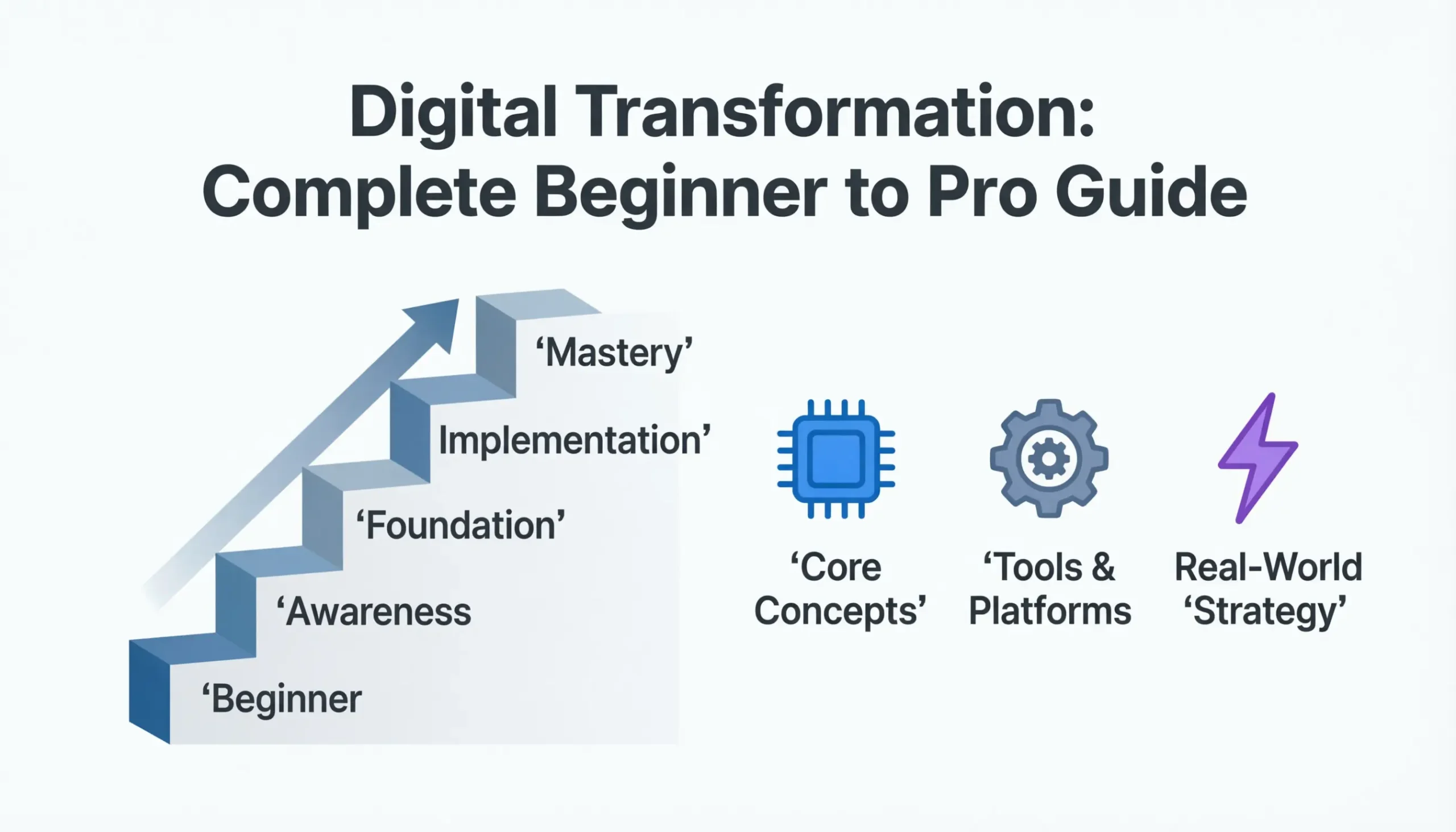
Detailed Step-by-Step Guide
Step 1: Define Clear Goals
Before starting digital transformation, define what you want to achieve. Do you want to improve customer service? Reduce costs? Increase sales?
Set clear and measurable goals. For example, aim to reduce processing time by 30 percent or increase online sales by 20 percent. Clear goals guide your strategy.
Step 2: Assess Current Systems
Next, review your existing processes and technologies. Identify weaknesses and areas that need improvement.
Ask questions like:
- Which tasks are manual and time-consuming?
- Where do errors happen most often?
- What tools are outdated?
This assessment helps you understand where digital transformation is needed most.
Step 3: Create a Digital Strategy
Develop a clear plan that connects your business goals with technology solutions.
Your strategy should include:
- Budget planning
- Timeline
- Required tools and software
- Training programs for employees
A well-defined strategy ensures your digital transformation efforts stay organized and focused.
Step 4: Choose the Right Technology
Select tools that match your business needs. These may include:
- Cloud computing platforms
- Customer Relationship Management systems
- Data analytics tools
- Automation software
- Cybersecurity solutions
Avoid choosing technology just because it is popular. Focus on what supports your goals.
Step 5: Train Employees
People are a key part of digital transformation. Without proper training, even the best technology will fail.
Provide workshops, online courses, and practical sessions. Encourage employees to ask questions and share feedback.
When teams understand the benefits, they support change more easily.
Step 6: Implement in Phases
Do not try to change everything at once. Start with small projects.
For example, automate one department before expanding to others. Test the system, gather feedback, and improve it step by step.
This reduces risks and increases success rates.
Step 7: Monitor and Improve
After implementation, measure results. Compare performance before and after digital transformation.
Use data to identify improvements. Digital transformation is an ongoing process, not a one-time project.
Benefits of Digital Transformation
Digital transformation offers many advantages for businesses of all sizes:
- Improved efficiency through automation
- Better customer experience with personalized services
- Faster decision-making using real-time data
- Reduced operational costs
- Increased flexibility and adaptability
- Stronger competitive advantage
- Enhanced collaboration using digital tools
- Higher employee productivity
For example, an online booking system saves time for both customers and staff. Similarly, data analytics helps managers understand buying patterns and adjust strategies.
Overall, digital transformation supports growth and long-term stability.
Disadvantages / Risks
Although digital transformation brings many benefits, it also has challenges:
- High initial investment costs
- Resistance to change from employees
- Cybersecurity risks
- Data privacy concerns
- Implementation delays
- Lack of technical expertise
If not managed properly, digital transformation projects can fail. Poor planning, unclear goals, or weak leadership increase risks.
Therefore, businesses must prepare carefully and focus on both technology and people.
Common Mistakes to Avoid
Many companies struggle because they make common errors during digital transformation.
One major mistake is focusing only on technology. Buying expensive software without changing processes and culture rarely works.
Another mistake is ignoring employee involvement. If staff members are not trained or consulted, they may resist change.
Some businesses also set unrealistic goals. Digital transformation takes time. Expecting instant results leads to disappointment.
Lack of cybersecurity planning is another serious issue. Protecting data must be a priority from the beginning.
Finally, poor communication often causes confusion. Leaders must clearly explain why digital transformation is necessary and how it benefits everyone.
Avoiding these mistakes increases the chances of success.
FAQs
1. Is digital transformation only for large companies?
No, digital transformation is for businesses of all sizes. Small companies can use affordable digital tools like cloud software and online marketing platforms to grow faster.
2. How long does digital transformation take?
The timeline depends on the size and complexity of the organization. Some projects take months, while others may take years. It is usually an ongoing process.
3. What industries need digital transformation the most?
Almost every industry benefits from digital transformation, including retail, healthcare, education, finance, and manufacturing. Any sector that serves customers can improve with digital tools.
4. Is digital transformation expensive?
It can require investment, but costs vary. Many cloud-based solutions are affordable. Over time, digital transformation often saves money by improving efficiency.
5. What skills are needed for digital transformation?
Key skills include data analysis, project management, cybersecurity awareness, and digital marketing knowledge. Soft skills like communication and adaptability are also important.
6. How can we measure success in digital transformation?
Success can be measured through key performance indicators such as revenue growth, cost reduction, customer satisfaction scores, and productivity improvements.
Expert Tips & Bonus Points
To make digital transformation successful, follow these expert suggestions.
First, start with leadership commitment. When top management supports change, the entire organization follows.
Second, focus on customer experience. Always ask how new technology improves the customer journey.
Third, use data wisely. Collect meaningful information and turn it into actionable insights.
Fourth, encourage innovation. Create an environment where employees feel safe to experiment with new ideas.
Fifth, prioritize cybersecurity. Protect customer data and build trust.
Sixth, review progress regularly. Continuous improvement keeps digital transformation effective and aligned with business goals.
Finally, stay updated with technology trends. The digital world evolves quickly, so learning must never stop.
Conclusion
Digital transformation is shaping the future of businesses across the world. It is not just about technology but about changing how organizations think, operate, and deliver value.
Through digital transformation, companies can improve efficiency, enhance customer experiences, and unlock new growth opportunities. While challenges like costs and resistance to change exist, careful planning and strong leadership can overcome them.
For beginners and intermediate learners, the key is to understand that digital transformation is a journey. Start with clear goals, involve your team, choose the right tools, and measure progress regularly.
As markets become more competitive and customers demand better digital experiences, digital transformation will continue to play a critical role in business success.
Organizations that adapt, innovate, and embrace digital transformation today will be the leaders of tomorrow.