
Introduction
Enterprise software plays a major role in how modern businesses operate, grow, and compete. Whether you run a small company that is expanding or work in a large organization, understanding is now essential. In simple terms, enterprise software helps businesses manage their daily operations, data, and processes in one connected system.
Today, companies deal with large amounts of information, multiple teams, and complex workflows. Without enterprise software, it becomes difficult to manage finance, human resources, customer data, inventory, and communication smoothly. That is why more businesses are investing in solutions to improve efficiency and reduce errors.
In this complete guide, you will learn what enterprise software is, why it is important, and how to choose and implement it step by step. We will also discuss its benefits, risks, common mistakes, and expert tips. This article is written in simple English so beginners and intermediate readers can understand it easily. By the end, you will have a clear idea of how can transform a business and help it grow in a smart and organized way.
What is Enterprise Software?
Enterprise software is a type of computer software designed to help organizations manage their core business processes. Unlike regular apps used by individuals, enterprise software is built to serve large groups of users across departments such as finance, sales, HR, operations, and marketing.
For example, an Enterprise Resource Planning (ERP) system is a common form of enterprise software. It connects different departments into one unified system. Similarly, Customer Relationship Management (CRM) systems help businesses manage customer data and sales activities.
The main goal of enterprise software is integration and automation. It collects data from different areas of a business and stores it in a central database. This allows managers and employees to access accurate information in real time.
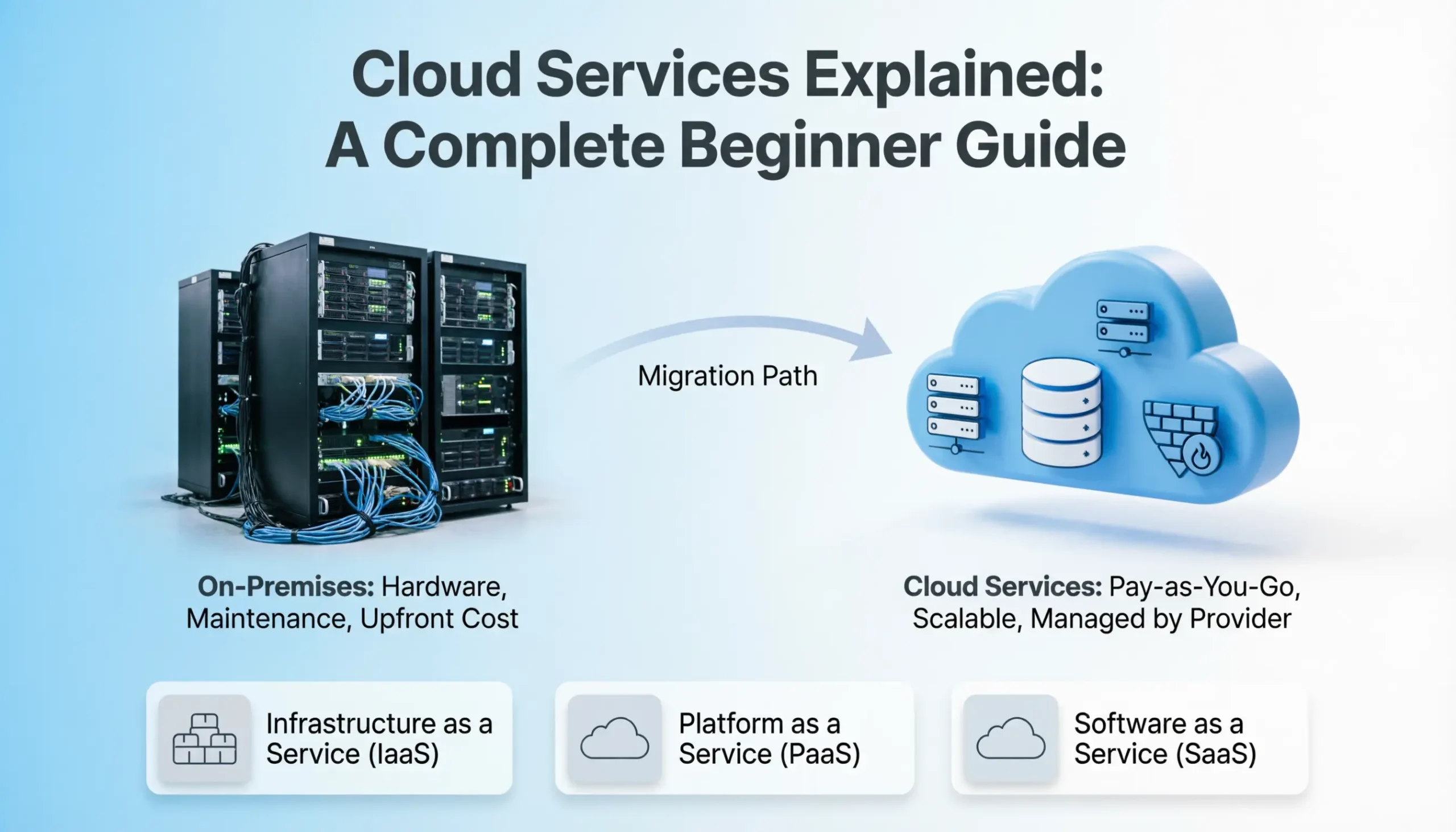
Enterprise software can be installed on company servers or used through cloud-based platforms. Cloud enterprise software has become very popular because it is flexible, scalable, and easier to maintain.
In short, enterprise software is the backbone of many modern organizations. It supports decision-making, improves communication, and ensures that processes run smoothly across the company.
Why is Enterprise Software Important?

Enterprise software is important because businesses today are more complex than ever before. Companies handle large teams, multiple branches, and thousands of customers. Managing all this manually or with separate tools can lead to confusion and mistakes.
First, enterprise software improves efficiency. Automated workflows reduce manual work and save time. Employees can focus on important tasks instead of repetitive data entry.
Second, it improves accuracy. Since data is stored in one system, there is less chance of duplication or errors. This is especially important in finance and inventory management.
Third, enterprise software helps in better decision-making. Managers can generate reports and analyze real-time data. This allows them to make smart business decisions based on facts rather than guesses.
Moreover, it supports growth. As a company expands, enterprise software can scale with it. New users, departments, and features can be added easily.
Finally, enterprise software enhances security. Sensitive company data is protected with user permissions, encryption, and backups. This reduces the risk of data loss or cyber threats.
Because of these reasons, enterprise software has become a critical investment for companies that want long-term success.
Detailed Step-by-Step Guide
Step 1: Identify Business Needs
Before choosing enterprise software, clearly understand your business requirements. Talk to department heads and identify challenges. For example, are you facing inventory issues, poor communication, or slow reporting?
Make a list of problems you want to solve. This will help you choose the right solution instead of buying unnecessary features.
Step 2: Set a Budget
Enterprise software can be expensive, especially for large organizations. Determine how much you are willing to spend on software licenses, customization, training, and maintenance.
Cloud-based options usually have monthly or yearly subscription costs. On-premise solutions may require higher upfront investment.
Step 3: Research Available Solutions
Compare different enterprise software providers in the market. Look at features, pricing, scalability, security, and customer support.
Read reviews and request product demos. This will give you a better understanding of how the system works in real life.
Step 4: Check Integration Capabilities
Your new enterprise software should integrate with existing tools such as accounting systems, email platforms, or e-commerce websites.
Good integration ensures smooth data flow and avoids duplication of work.
Step 5: Plan Implementation
Create a clear implementation plan. Decide timelines, assign responsibilities, and set goals. Large companies may implement the system in phases.
Training employees is also important. Make sure staff understand how to use the new system effectively.
Step 6: Test Before Full Launch
Run tests before fully launching the enterprise software. Check for errors, system bugs, and performance issues.
Testing helps avoid major disruptions after the official launch.
Step 7: Monitor and Improve
After implementation, continuously monitor system performance. Collect feedback from employees and make improvements when needed.
Enterprise software is not a one-time setup. It requires updates and adjustments as your business grows.
Benefits of Enterprise Software
- Improved efficiency through automation of repetitive tasks
- Centralized data management for better accuracy
- Real-time reporting and analytics
- Better communication between departments
- Scalability as the company grows
- Enhanced data security and access control
- Reduced operational costs in the long term
- Improved customer service with organized data
These benefits make enterprise software a powerful tool for both medium and large organizations.
Disadvantages / Risks
- High initial cost, especially for large systems
- Complex implementation process
- Resistance from employees who dislike change
- Possible downtime during system transition
- Dependence on vendor support and updates
- Data migration challenges from old systems
Understanding these risks helps businesses prepare properly and reduce potential problems.
Common Mistakes to Avoid
One common mistake is choosing enterprise software based only on price. A cheaper system may lack important features or proper support.
Another mistake is ignoring employee training. Even the best software will fail if users do not understand how to use it.
Some companies also rush the implementation process. Without proper planning and testing, this can lead to major disruptions.
Failing to involve key stakeholders is another issue. Managers and department heads should participate in the decision-making process.
Lastly, not planning for future growth can cause problems. Always choose enterprise software that can scale as your company expands.
Avoiding these mistakes increases the chances of a successful implementation.
FAQs
1. Who needs enterprise software?
Enterprise software is mainly designed for medium and large businesses. However, growing small businesses can also benefit if they plan to expand operations.
2. Is enterprise software only for big corporations?
No, it is not only for big corporations. Many cloud-based enterprise software solutions are affordable and suitable for smaller companies.
3. How long does implementation take?
Implementation time depends on the size of the company and the complexity of the system. It can take a few weeks for small businesses and several months for large organizations.
4. Is cloud-based enterprise software better than on-premise?
Cloud-based systems offer flexibility, lower upfront costs, and easier updates. On-premise solutions provide more control but require higher maintenance.
5. How secure is enterprise software?
Most enterprise software platforms use strong security measures such as encryption, access control, and regular backups to protect data.
6. Can enterprise software be customized?
Yes, many enterprise software solutions allow customization according to business needs. However, customization may increase costs and implementation time.
7. What is the difference between ERP and CRM?
ERP focuses on internal business processes like finance and inventory, while CRM focuses on managing customer relationships and sales activities.
Expert Tips & Bonus Points
Start small if possible. Instead of implementing all features at once, begin with essential modules and expand gradually.
Always choose a reliable vendor with good customer support. Long-term support is important for system updates and troubleshooting.
Encourage employee involvement from the beginning. When users feel included, they are more likely to accept the new system.
Regularly review system performance. Use reports and feedback to improve processes and maximize value.
Invest in proper cybersecurity measures. Even the best enterprise software needs additional protection like strong passwords and secure networks.
Finally, think long term. Enterprise software is a strategic investment, not just a technical tool. Choose a solution that aligns with your business goals and growth plans.
Conclusion
Enterprise software has become an essential part of modern business operations. It connects departments, automates tasks, and provides real-time insights that help organizations make better decisions. From managing finances and inventory to improving customer relationships, enterprise software supports almost every area of a company.
Although implementing enterprise software can be challenging and costly, the long-term benefits often outweigh the risks. Improved efficiency, better data accuracy, and enhanced security make it a valuable investment for growing businesses. By carefully identifying your needs, setting a clear budget, and planning the implementation step by step, you can reduce common risks and ensure success.
For beginners and intermediate readers, the key takeaway is simple: enterprise software is not just for large corporations. With the rise of cloud technology, even small and medium businesses can benefit from these powerful systems. The most important step is choosing the right solution that matches your goals and supports future growth.
In a competitive business world, companies that use enterprise software effectively are better prepared to adapt, innovate, and succeed. By understanding its features, benefits, and challenges, you can make informed decisions and build a stronger, more organized organization for the future.