
Introduction
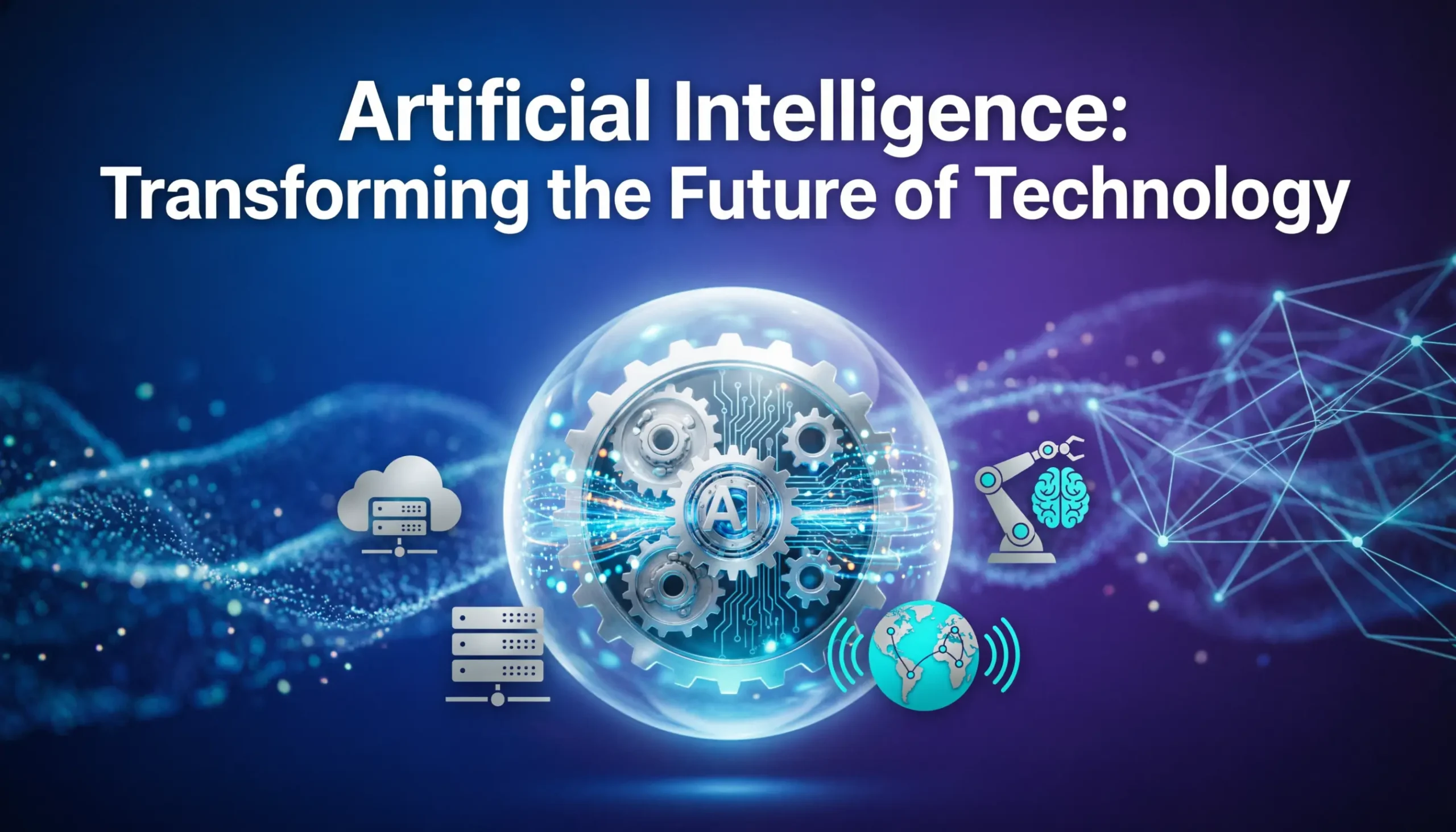
Artificial Intelligence (AI) is one of the most revolutionary technologies of our time. It has transformed how we live, work, and interact with machines. From virtual assistants in smartphones to self-driving cars, AI is everywhere. It mimics human intelligence by analyzing data, learning from it, and making decisions or predictions. As technology evolves, understanding AI becomes essential for both beginners and professionals.
Today, AI is no longer limited to tech experts. It has become accessible to everyone, offering tools to improve productivity, creativity, and problem-solving. Many industries such as healthcare, finance, education, and transportation rely on AI to optimize operations and deliver better services. Learning about AI can open new career opportunities, help businesses grow, and enhance daily life experiences.
In this article, we will explore what artificial intelligence is, why it matters, how it works, and the benefits and risks it brings. By the end, you’ll have a clear understanding of AI and practical knowledge to apply it in real life. Whether you are a student, professional, or just curious, this guide will help you navigate the world of AI.
What is Artificial Intelligence?
Artificial Intelligence refers to the simulation of human intelligence in machines that are programmed to think and learn. These machines can perform tasks such as problem-solving, decision-making, speech recognition, and pattern identification. Essentially, AI enables computers and systems to act intelligently and adapt to new situations without being explicitly programmed.
There are different types of AI:
- Narrow AI: Focused on specific tasks like voice assistants or recommendation systems.
- General AI: Aims to perform any intellectual task that a human can do, still largely theoretical.
- Superintelligent AI: Hypothetical AI that surpasses human intelligence in every area.
AI technologies often involve machine learning, where systems improve over time by analyzing data, and deep learning, which uses neural networks to model complex patterns. AI applications are diverse, from healthcare diagnosis and fraud detection to chatbots and autonomous vehicles.
Why is Artificial Intelligence Important?
AI is important because it enhances efficiency, accuracy, and innovation in various sectors. Here are some key reasons:
- Automation of Repetitive Tasks – AI reduces manual work, freeing up human resources for creative and strategic tasks.
- Data-Driven Decisions – AI can process vast amounts of data and provide insights faster than humans.
- Improved Accuracy – AI systems reduce human error in fields like medicine, finance, and engineering.
- Innovation in Products and Services – AI enables personalized experiences, predictive analytics, and smarter products.
- Global Competitiveness – Companies and countries adopting AI gain a strategic advantage in technology and business growth.
By understanding and leveraging AI, businesses can stay competitive, and individuals can prepare for emerging career opportunities in technology-driven industries.
Detailed Step-by-Step Guide to Artificial Intelligence
How AI Works
Artificial Intelligence works through a combination of data, algorithms, and computing power. Here’s a simplified explanation:
- Data Collection – AI systems gather data from various sources such as sensors, databases, or user inputs.
- Data Processing – Raw data is cleaned and structured to make it usable for AI models.
- Algorithm Training – Machine learning algorithms analyze data patterns and learn from them.
- Decision Making – The trained AI model makes predictions or recommendations based on new data.
- Feedback and Improvement – AI continuously improves as it receives feedback and learns from mistakes.
Types of AI Technologies
- Machine Learning (ML) – Enables AI systems to learn from data without explicit programming.
- Natural Language Processing (NLP) – Allows machines to understand and interact using human language.
- Computer Vision – Helps AI recognize images and videos for tasks like facial recognition.
- Robotics – Combines AI with mechanical systems to perform physical tasks autonomously.
Real-Life Applications
- Healthcare: AI assists in diagnosing diseases, analyzing medical images, and predicting patient outcomes.
- Finance: AI detects fraud, predicts market trends, and provides personalized financial advice.
- Transportation: Self-driving cars use AI for navigation and safety features.
- Education: AI-driven platforms provide personalized learning experiences.
Benefits of Artificial Intelligence
- Increased Efficiency – Tasks are completed faster with less human intervention.
- Cost Savings – Automation reduces labor costs and operational errors.
- Enhanced Accuracy – AI reduces mistakes and ensures better outcomes.
- 24/7 Availability – AI systems can operate continuously without fatigue.
- Personalization – AI tailors services to individual preferences and needs.
- Innovation – AI drives new technologies, products, and solutions.
Disadvantages / Risks of Artificial Intelligence
- Job Displacement – Automation may replace certain manual or repetitive jobs.
- High Initial Costs – Developing AI systems requires significant investment.
- Data Privacy Concerns – AI relies on large datasets, sometimes containing sensitive information.
- Bias in Algorithms – AI can reflect or amplify human biases present in training data.
- Dependence on Technology – Over-reliance on AI may reduce human skills and judgment.
Common Mistakes to Avoid
- Ignoring Data Quality – Poor data leads to inaccurate AI predictions.
- Overestimating AI Capabilities – AI cannot solve every problem; realistic expectations are necessary.
- Neglecting Security – AI systems must be protected against cyber threats.
- Lack of Continuous Learning – AI requires regular updates and monitoring to remain effective.
- Overlooking Ethical Concerns – AI should be developed responsibly to avoid misuse.
FAQs About Artificial Intelligence
1. Can AI replace humans completely?
No. AI can perform specific tasks efficiently, but human creativity, empathy, and critical thinking are irreplaceable.
2. Is AI only for tech experts?
Not anymore. Many AI tools and platforms are designed for beginners, allowing anyone to use AI for business, learning, or personal projects.
3. How does AI learn?
AI learns through algorithms that analyze data patterns. Machine learning models improve as they process more data over time.
4. What industries benefit the most from AI?
Healthcare, finance, transportation, education, and retail are leading industries leveraging AI for efficiency and innovation.
5. Is AI safe?
AI is generally safe if developed responsibly. Risks like bias, privacy issues, and misuse need careful management.
6. Do I need coding skills to use AI?
Not always. Many AI tools are user-friendly and require minimal technical knowledge, especially for beginners.
7. How can I start learning AI?
Start with online courses, tutorials, and AI platforms. Focus on basic concepts, practical applications, and gradually explore machine learning and deep learning.
8. Will AI create new job opportunities?
Yes. AI will create new roles in data analysis, AI development, AI ethics, and management of AI systems.
Expert Tips & Bonus Points
- Start small: Begin with AI tools that solve simple problems and gradually scale up.
- Learn continuously: AI evolves rapidly, so staying updated is crucial.
- Focus on quality data: High-quality data improves AI performance significantly.
- Combine AI with human expertise: AI works best as a support tool, not a replacement.
- Consider ethics and privacy: Always prioritize responsible and transparent AI practices.
- Explore open-source AI platforms: They offer hands-on experience and reduce costs.
Conclusion
Artificial Intelligence is transforming the world in profound ways. It enhances efficiency, drives innovation, and opens new opportunities across industries. Understanding AI allows individuals and businesses to leverage its power while mitigating potential risks.
For beginners, AI may seem complex at first, but with consistent learning and practical application, it becomes an accessible and valuable tool. As AI continues to evolve, staying informed and adaptable is key. By applying AI responsibly, we can create smarter solutions, improve daily life, and prepare for a future where technology and human intelligence work hand in hand.
Artificial Intelligence is not just a trend—it is the future. Embracing it now ensures we remain competitive, innovative, and ready for the challenges and opportunities ahead.