
Introduction
Technology is evolving faster than ever, transforming the way people live, work, learn, and do business. Keeping up with emerging technology trends helps individuals and organizations prepare for future opportunities while staying competitive in a rapidly changing world. From smart automation and cloud computing to blockchain and the Internet of Things, modern innovations are reshaping industries across the globe. Understanding these developments does not require technical expertise. This guide explains the most important concepts, benefits, implementation steps, and best practices in simple language for beginners and intermediate readers.
What are Emerging Technology Trends?
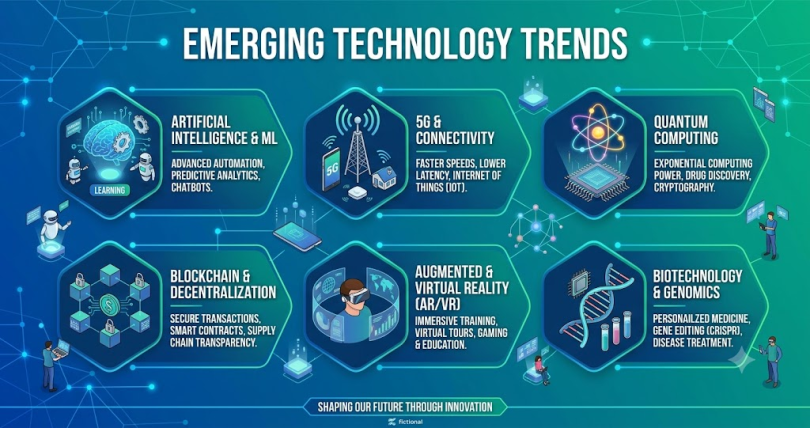
Emerging technology trends refer to new and developing technologies that have the potential to change industries, improve productivity, and create innovative solutions. These technologies are still evolving but are already influencing businesses, education, healthcare, manufacturing, and finance.
Examples include cloud computing, blockchain, quantum computing, extended reality, smart devices, cybersecurity advancements, and the Internet of Things. As these technologies mature, they become more accessible and affordable for organizations of every size.
Why are Emerging Technology Trends Important?
Understanding emerging technology trends allows businesses and individuals to prepare for future changes instead of reacting too late. Companies that embrace innovation often improve efficiency, reduce costs, and deliver better customer experiences.
For professionals, learning about new technologies increases career opportunities and valuable skills. Students also benefit by developing knowledge that remains relevant in a competitive job market. Staying informed helps everyone make smarter decisions about technology investments and long-term planning.
Step-by-Step Guide
1. Identify Your Goals
Start by determining why you want to explore new technologies. Your goals may include improving business efficiency, increasing productivity, enhancing customer service, or developing new skills.
2. Research Relevant Technologies
Learn about technologies that match your needs. Read trusted resources, follow industry news, and study real-world examples to understand practical applications.
3. Start with Small Projects
Instead of adopting multiple technologies at once, begin with one solution. Testing a small project reduces risks while helping you understand the technology’s benefits.
4. Build Essential Skills
Invest time in learning digital skills through courses, workshops, or practical experience. A strong knowledge foundation makes technology adoption easier and more successful.
5. Review and Improve
Technology changes quickly, so regularly evaluate your progress. Update your tools and strategies as new innovations become available and your needs evolve.
Benefits
Adopting emerging technology trends provides several advantages:
- Improves operational efficiency.
- Increases business innovation.
- Enhances customer experiences.
- Supports faster decision-making.
- Reduces repetitive manual tasks.
- Creates new career opportunities.
- Strengthens business competitiveness.
- Encourages continuous learning and growth.
Risks or Disadvantages
While innovation offers many benefits, there are challenges to consider:
- High implementation costs for some technologies.
- Security and privacy concerns.
- Rapid technological changes requiring frequent updates.
- Employee training may require additional time.
- Poor planning can lead to wasted investments.
Understanding these risks helps businesses create realistic strategies before adopting new solutions.
Common Mistakes to Avoid
Many people follow technology trends simply because they are popular. Instead, choose solutions that solve specific problems or improve measurable outcomes. Adopting technology without clear objectives often results in unnecessary expenses.
Ignoring cybersecurity is another common mistake. Every new digital system should include strong security measures to protect sensitive information. Businesses should also avoid neglecting employee training, since knowledgeable users maximize the value of modern tools.
Finally, remember that innovation requires patience. Successful implementation usually happens through gradual improvements rather than overnight changes.
FAQs
1. What are emerging technology trends?
They are new technologies expected to influence industries, businesses, and everyday life in significant ways.
2. Why should businesses follow technology trends?
They help companies improve efficiency, remain competitive, and meet changing customer expectations.
3. Are these technologies only for large companies?
No. Many affordable digital solutions are suitable for startups, small businesses, and individual professionals.
4. Which industries benefit the most?
Healthcare, education, finance, manufacturing, retail, logistics, and entertainment all benefit from technological innovation.
5. How can beginners learn about new technologies?
Start with online learning resources, practical projects, industry articles, and hands-on experience to build confidence gradually.
Expert Tips
Focus on learning one technology at a time instead of trying to master everything simultaneously. Build practical experience through small projects and real-world applications. Monitor industry developments regularly because innovation evolves quickly. Choose scalable solutions that support future growth rather than temporary trends. Most importantly, evaluate each technology based on its ability to solve real problems and create measurable value instead of following market hype.
Conclusion
The future belongs to those who understand and embrace innovation responsibly. By learning about emerging technology trends, individuals and businesses can improve productivity, develop valuable skills, and discover new opportunities for growth. Although adopting modern technology requires planning, training, and ongoing learning, the long-term benefits often outweigh the challenges. Begin with clear objectives, implement changes gradually, and continue improving your knowledge as technology evolves. Staying informed today will help you make smarter decisions and remain competitive in tomorrow’s digital world.