
Introduction to Cloud Services
Cloud services are changing the way people and businesses use technology. Instead of storing files on a single computer or running software from a local server, allow you to access data and applications through the internet. This means you can work from anywhere, at any time, using almost any device.
Today, cloud services are used by students, small businesses, large companies, and even governments. From online storage and email platforms to advanced business software, make daily tasks easier and more flexible. As internet speed and security improve, more organizations are moving their systems to the cloud.
In simple words, cloud services help you store, manage, and process data online instead of on your personal device. This reduces the need for expensive hardware and complex maintenance. Whether you are a beginner or an intermediate user, understanding is important in the modern digital world.
In this complete guide, you will learn what cloud services are, why they matter, how to use them step by step, their benefits and risks, common mistakes to avoid, and expert tips to get the best results.
What Is Cloud Services?
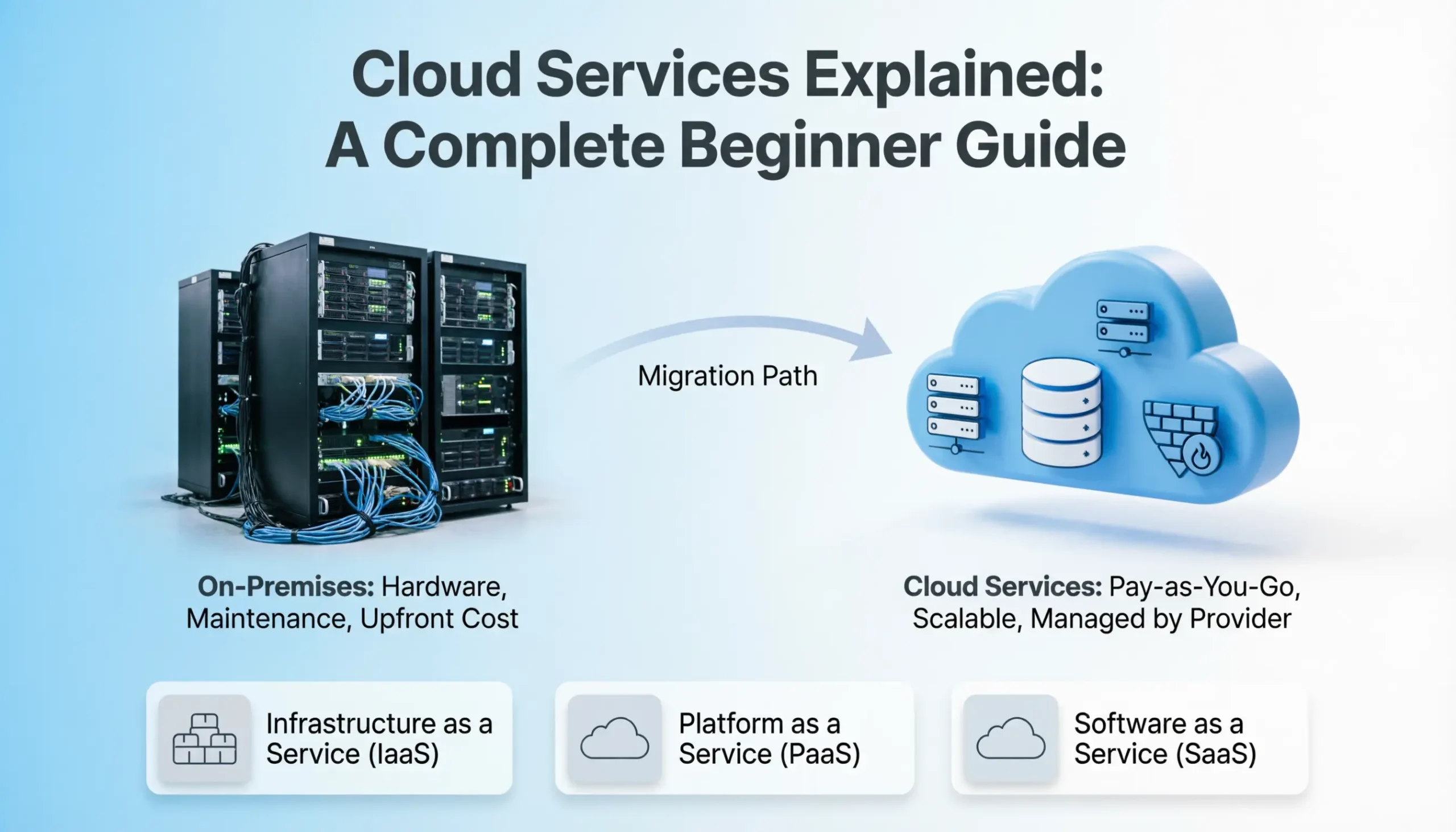
Cloud services refer to computing resources that are delivered over the internet. These resources include storage, software, databases, networking, and servers. Instead of buying physical equipment, users rent these resources from a cloud provider.
For example, when you upload photos to an online storage platform, you are using cloud services. The files are stored in remote data centers, not on your personal computer. You can access them anytime by logging into your account.
There are three main types of cloud services:
Infrastructure as a Service (IaaS) provides virtual machines and storage.
Platform as a Service (PaaS) offers tools for developers to build applications.
Software as a Service (SaaS) allows users to access software through a web browser.
These models make cloud services flexible and suitable for different needs. Businesses can scale up or down depending on demand, which saves money and improves efficiency.
Why Is Cloud Services Important?

Cloud services are important because they offer flexibility, cost savings, and easy access. In the past, companies had to invest heavily in hardware and IT staff. Now, they can rely on cloud services to handle most technical tasks.
Another reason cloud services matter is remote access. Employees can work from home or travel while still accessing company data securely. This became especially important when remote work increased worldwide.
Cloud services also improve collaboration. Teams can work on the same document in real time, share files instantly, and communicate through integrated tools.
Security is another key factor. Many cloud services providers invest heavily in cybersecurity, offering encryption and regular backups. For small businesses, this level of protection would be expensive to manage alone.
Finally, cloud services support innovation. Startups and developers can test new ideas quickly without spending large amounts of money on infrastructure.
Detailed Step-by-Step Guide
Step 1: Understand Your Needs
Before choosing cloud services, identify your goals. Do you need storage, software, or full infrastructure support? Knowing your purpose helps you select the right model.
For example, a small business may need cloud storage and email, while a software company may require development platforms.
Step 2: Choose the Right Service Model
Select between IaaS, PaaS, or SaaS. Each model of cloud services serves different purposes.
If you want ready-to-use software, SaaS is suitable. If you need full control over virtual machines, IaaS may be better.
Step 3: Select a Reliable Provider
Research providers carefully. Compare pricing, security features, uptime guarantees, and customer support.
Reading reviews and checking certifications can help you make a smart decision when investing in cloud services.
Step 4: Plan Migration
If you are moving from traditional systems, create a clear migration plan. Transfer data in stages to avoid loss or downtime.
Testing the system before full implementation ensures your cloud services setup works smoothly.
Step 5: Train Your Team
Make sure users understand how to use the platform. Provide simple training sessions and guides.
Proper training reduces errors and improves productivity when using cloud services.
Step 6: Monitor and Optimize
After setup, regularly monitor performance and costs. Many cloud services offer dashboards to track usage.
Optimizing resources prevents overspending and ensures efficient performance.
Benefits of Cloud Services
- Cost Savings: No need to buy expensive hardware or maintain servers.
- Scalability: Easily increase or decrease resources as needed.
- Accessibility: Access data from anywhere with an internet connection.
- Automatic Updates: Software updates happen automatically.
- Disaster Recovery: Backup and recovery options protect data.
- Collaboration: Teams can work together in real time.
- Security: Advanced encryption and monitoring tools are included.
- Speed: Quick deployment of applications and services.
These advantages make cloud services attractive for both small and large organizations.
Disadvantages and Risks
- Internet Dependency: Without internet access, cloud services cannot function properly.
- Data Privacy Concerns: Sensitive information is stored on external servers.
- Ongoing Costs: Monthly fees can increase over time.
- Limited Control: Users rely on providers for maintenance and updates.
- Migration Challenges: Moving data can be complex.
- Compliance Issues: Certain industries require strict regulations.
Understanding these risks helps you plan better and avoid problems.
Common Mistakes to Avoid
One common mistake is choosing cloud services without clear goals. Always define your needs first.
Another error is ignoring security settings. Even though providers offer protection, users must configure access controls correctly.
Failing to monitor costs is also risky. Some businesses overspend because they do not track resource usage.
Not backing up data independently can create problems. Although cloud services provide backups, having an extra copy adds safety.
Lastly, skipping employee training can reduce efficiency. Make sure everyone understands how to use the system properly.
FAQs
1. Are cloud services safe for personal use?
Yes, cloud services are generally safe if you use strong passwords and enable security features like two-factor authentication.
2. Can small businesses benefit from cloud services?
Absolutely. Small businesses save money and gain flexibility by using cloud services instead of maintaining their own servers.
3. Do cloud services require technical skills?
Basic cloud services like storage or email require minimal skills. Advanced configurations may need technical knowledge.
4. What happens if the internet goes down?
If your internet connection fails, you may not access cloud services temporarily. Some platforms offer offline features for limited use.
5. How much do cloud services cost?
Costs vary depending on storage, computing power, and features. Many providers offer pay-as-you-go pricing.
6. Can I switch providers later?
Yes, but migrating from one provider to another requires planning to avoid data loss and downtime.
Expert Tips and Bonus Points
Start small when adopting cloud services. Test with a single department before full implementation.
Always review service agreements carefully. Understand uptime guarantees and data policies.
Use strong encryption and access controls to improve security.
Regularly audit usage reports to control expenses.
Combine multiple cloud services if needed, but keep management simple.
Keep learning about new features and updates. Technology evolves quickly, and staying informed helps you use cloud services more effectively.
Conclusion
Cloud services have become a vital part of modern technology. They allow individuals and businesses to store data, run applications, and manage systems through the internet. By reducing hardware costs and increasing flexibility, cloud services make digital transformation easier and more affordable.
For beginners, the concept may seem technical at first. However, once you understand the basic models and benefits, cloud services become simple to use. From online storage to advanced development platforms, there is a solution for almost every need.
At the same time, it is important to be aware of risks such as internet dependency and data privacy concerns. Careful planning, proper training, and regular monitoring can reduce these challenges.
As technology continues to grow, cloud services will play an even bigger role in everyday life and business operations. By learning how they work and applying best practices, you can take full advantage of the opportunities they offer while avoiding common mistakes.